
Agriculture, Food, and Natural Resources
Tenders in the Industry: Agriculture, Food, and Natural Resources - Guide and Market Report
Are you interested in public procurement in the agriculture, food, and natural resources sector? Learn about the market specifics, proven strategies for winning tenders, and tools that will make your work easier.
In the agriculture and food business, where margins can be low and competition is fierce, the public procurement market is a stable anchor. However, we know that for many of you, the tendering procedure is associated with tons of documentation and sleepless nights. At the Mimira team, we work daily with companies facing these same challenges. We created this guide to show you how to approach tenders systematically and efficiently.
How does Mimira help in the Agriculture, Food, and Natural Resources industry?
Many of our agro-food clients honestly admitted to us at the beginning: "We review the BZP once a week because we simply don't have time to do it more often." This is a mistake that costs thousands of zlotys. The Mimira platform lifts this burden by automatically matching tenders to your business profile. Instead of spending a dozen hours manually filtering notices, you get a ready-made list. The time savings here reach up to 90%, allowing you to focus on the quality of the offer itself rather than looking for it.
But searching is just the beginning. In this industry, documentation can be very specific – from ISO standards to detailed food composition parameters. Our platform generates proposal documentation based on SWZ, OPZ, and PFU, while simultaneously verifying formal correctness. What's more, within the system, you have access to an AI assistant. You can ask it: "Is a phytosanitary certificate required in this tender?" – and the system will answer you in a few seconds, pointing to a specific paragraph in the contracting authority's documentation.
Where to look for tenders in the Agriculture, Food, and Natural Resources industry?
Where do these nearly 100 new notices daily that we monitor on Mimira end up? The most important sources are: * Public Procurement Bulletin (BZP) and the e-Zamówienia portal: This is where most national procurement land (e.g., food supplies for schools, hospitals, or military units). * Official Journal of the EU (TED): Crucial if you are interested in large contracts exceeding EU thresholds. * Purchasing platforms of local government units and State Treasury companies: Often, for example, the Agency for Restructuring and Modernization of Agriculture (ARiMR) or the National Support Center for Agriculture (KOWR) publish requests for proposals there.
Our tip: Do not limit yourself only to "agriculture." Often, contracts for municipal services (tree felling, green space maintenance) are hidden in completely different categories. The Mimira team always advises monitoring the market broadly, using tags related to natural resources.
How to win tenders in the Agriculture, Food, and Natural Resources industry?
Price alone has long ceased to be the sole determinant. To win, you must pay attention to: 1. Certification and quality: In the food sector, the lack of a valid HACCP certificate or specific ecological certifications immediately eliminates an offer. 2. References: Contracting authorities in this industry are cautious. Appropriate documents confirming that you have completed similar deliveries (e.g., 10 tons of grain with specific parameters) are your ticket to victory. 3. Technical potential: If you are entering tenders for forestry or agricultural services, demonstrating possession of a heavy machinery fleet is key.
The most common mistake we see is overlooking small requirements in the OPZ – e.g., non-standard product packaging methods. The Mimira platform helps avoid such traps by analyzing every document line by line.
Key challenges in procurement documentation
In the agricultural industry, descriptions of the subject of the contract (OPZ) can be extremely strict. A trap can be, for example, a shelf life for products upon delivery that is too short for your logistics to handle, or requiring specific plant varieties that are difficult to access.
At Mimira, we observe that the automation of risk analysis (available on our platform) allows you to instantly spot these critical points. Instead of reading 50 pages of the SWZ, the AI extracts the most important technical requirements, so you know whether it's even worth entering a given procedure before you spend a whole day on it.
Why is it worth using modern tools in agriculture?
Digitalization no longer concerns only precision agriculture in the field, but also the office. Using Mimira allows for scaling – you can submit 5-10 times more offers with the same team. If your sales department, instead of "copy-pasting" in Excel sheets, can focus on negotiations with suppliers, your competitiveness will increase drastically. It's simply math: more completed, correct proposals equal more won contracts.
Trends, challenges, and opportunities (2025/2026)
Current trends: * Green public procurement: Increasing emphasis on products with short supply chains and organic products. * Short supply chains: Contracting authorities (especially in cities) prefer to buy food from local producers.
Challenges: * Legal changes 2026: Raising the national threshold to PLN 170k will change the balance of power – smaller orders will be completed faster, outside the Public Procurement Law framework, which requires even more vigilant monitoring of RFPs. * Logistics and energy costs: Rising operating costs that must be precisely factored into the pricing calculation of the offer.
Opportunities: * Funds from the National Recovery Plan (KPO) and EU funds are driving investments in agricultural infrastructure and processing, in turn generating new tenders for equipment and technologies.
Latest information on tenders in the industry
Lately, we have noticed interesting procedures, such as: * RFPs from the Ministry of Agriculture and Rural Development for the year 2026, which are already circulating in the systems. * Specialized supplies, e.g., probiotic premixes (Lavipan L500) or training services for ARiMR employees. * Regular tenders for electricity supplies for institutions supporting agriculture – this is an often overlooked, yet stable segment for commercial companies.
AI Tender Search Engine - a new era of matching
Traditional search engines operate on keywords. If you type "apples", you might miss a tender for the "delivery of orchard products". The AI search engine in the Mimira platform understands the context. It recognizes that your company deals with fruits and will suggest the right notice to you, even if the word "apple" is not in the title. This saves time, which in agriculture – especially during the high season – is always in short supply.
Tender Automation - how does it work in practice?
Automation is not just about sending alerts. It is the entire process that Mimira wraps up: 1. Analysis: The system tells you: "This is a tender for you, you meet 95% of the requirements." 2. Creation: The platform generates ready-made forms that only need to be checked. 3. Security: Mimira's experts verify the generated documents so that you don't "fail" due to a single missing dot in a declaration of clean criminal record.
Thanks to this, you eliminate human errors resulting from haste and fatigue – and these are the most common cause of bid rejection in the agro sector.
FAQ – Most frequently asked questions in the industry
Which platforms offer public tenders in Poland? The most important ones are e-Zamówienia, the Public Procurement Bulletin (BZP), and TED. However, we recommend using aggregators like our Mimira platform, which collects data from over 10,000 sources in one place.
How to prepare a bid for an electronic tender? You must have a valid qualified signature or trusted profile (depending on the procedure). It is recommended to generate documentation (e.g., ESPD) in systems like Mimira, which guarantees compliance with the buyer's latest templates.
How to find public procurement tenders in the Agriculture sector? Within the Mimira platform, we are currently monitoring nearly 5,800 active procedures in this category. Every day, about 97 new offers appear concerning food supplies, agricultural equipment, or natural resource management.
Which companies offer support in preparing documentation? You can use law firms, but for companies submitting multiple bids, hybrid solutions are more cost-effective. Mimira offers a combination of AI technology with verification by a team of public procurement experts, providing safety at a fraction of the cost of permanent consulting.
Mimira in the Agriculture, Food, and Natural Resources industry:
5793 – the number of monitored tenders in the “Agriculture, food, and natural resources” category.
46 – the number of companies in the Agriculture, food, and natural resources industry using Mimira.
Automate your tender analysis and save time. Check how Mimira can support your team in the agriculture, food, and natural resources sector.
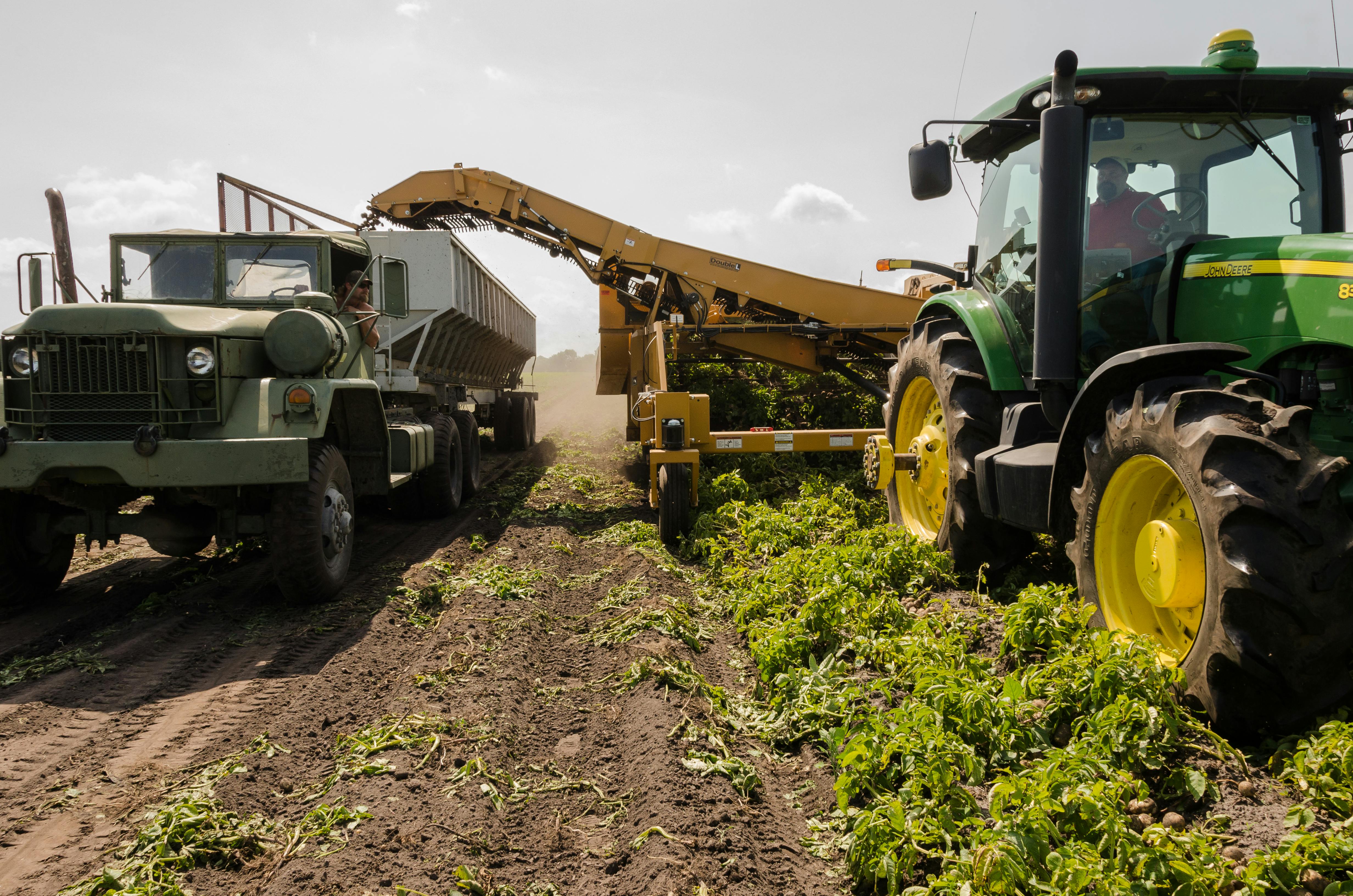
Agriculture, Food, and Natural Resources
5,793
Tenders on the platform
46
Mimira's clients
97
Tenders per day
461
Tender sources









Tenders
Construction and infrastructure
Tenders
Transport and logistics
Tenders
IT, software, and telecommunications
Tenders
Energy, raw materials and chemicals
Tenders
Health and safety
Tenders
Business, financial, and administrative services
Tenders
Agriculture, Food, and Natural Resources
Tenders
Industry, machinery, and technical equipment
Tenders
Social, municipal, educational, and cultural services